
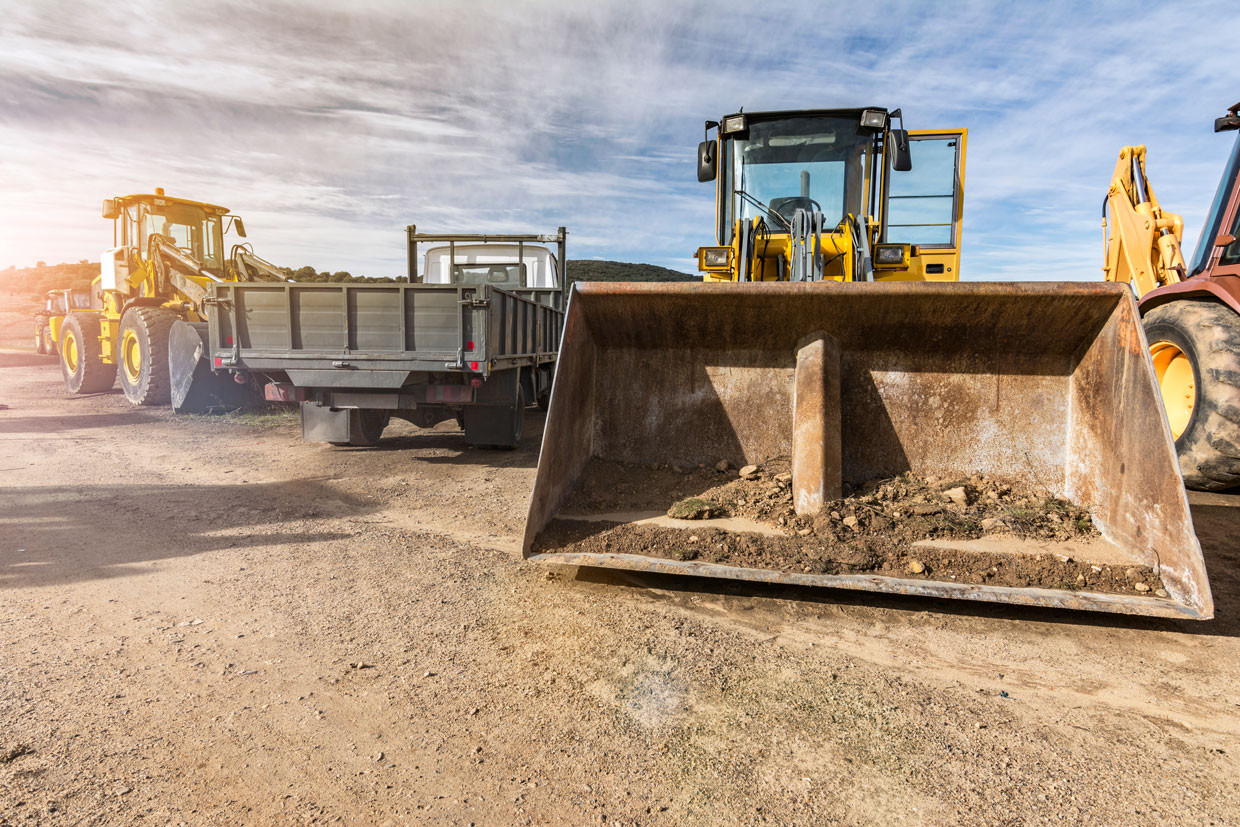
As the cooler weather starts to arrive into the weather forecasts, stay ahead of the game in preparing for the cooler temperatures as these temperatures create new safety challenges for the construction industry. While the summer heat has slowly made its way out of the forecast, the cooler temperatures also introduce potential hazards impacting employee health, equipment performance, and overall jobsite safety.
Safety remains a top priority year round at Plateau. As we transition into the cooler months, taking proactive steps to prepare our people, equipment, and jobsites is essential to maintaining a safe and productive working environment.
One of the biggest tips in preparing for the cooler weather is to dress appropriately for changing temperatures. During the fall and winter, the weather in the morning may be unpredictable as chilly mornings may turn into warm afternoons. Dressing in layers allows for employees to have the option to change their clothing throughout the day while maintaining comfort and mobility.
- Wear layers: Choose moisture-wicking base layers, insulating middle layers, and weather-resistant outerwear when needed.
- Protect your extremities: Wear appropriate gloves, warm socks, and head protection compatible with required PPE.
- Stay dry: Wet clothing can cause the body to lose heat quickly, increasing the risk of cold stress.
- Maintain visibility: Ensure reflective vests and high-visibility clothing remain visible over additional layers.
It is also important to be aware of cold stress or related illnesses. Working outdoors in cooler temperatures can increase the risk of cold-related illnesses. To help reduce the risk of these cold-related symptoms, it is important to:
- Stay hydrated throughout the workday, even when you don’t feel thirsty.
- Monitor yourself and coworkers for signs of cold-related illness.
- Report symptoms immediately and seek medical attention when needed.
- Take regular breaks in warm, sheltered areas when necessary.
Cooler weather can affect the performance of heavy equipment, vehicles, and machinery. Batteries, hydraulic systems, fluids, and tires may respond differently as temperatures decrease. Before beginning each workday, operators should conduct thorough equipment inspections and pay close attention to potential weather-related issues.
Key inspection areas include:
- Checking fluid levels and using manufacturer-recommended fluids.
- Inspecting tires and tracks for proper condition.
- Ensuring lights, mirrors, and windows are clean and functioning.
- Checking batteries and electrical systems.
- Following proper manufacturer-recommended startup and warm-up procedures.
As daylight hours decrease, visibility becomes an increasingly important safety consideration. Early morning starts and late afternoon operations may require additional lighting and awareness, especially around moving equipment.
Proper lighting, high-visibility PPE, and clear communication between operators and ground personnel are essential.
Employees should remain especially cautious in areas with heavy equipment traffic, blind spots, and limited visibility. Operators should ensure backup alarms, lights, and other safety features are functioning properly before beginning work.
As we move into the cooler months, staying safe requires awareness, preparation, and teamwork. From wearing the proper clothing to inspecting equipment and monitoring changing jobsite conditions, small precautions can make a significant difference in preventing injuries.
At Plateau Excavation, our commitment to safety doesn’t change with the seasons. By looking out for one another, communicating potential hazards, and taking proactive steps every day, we can continue building a workplace where everyone returns home safely.