
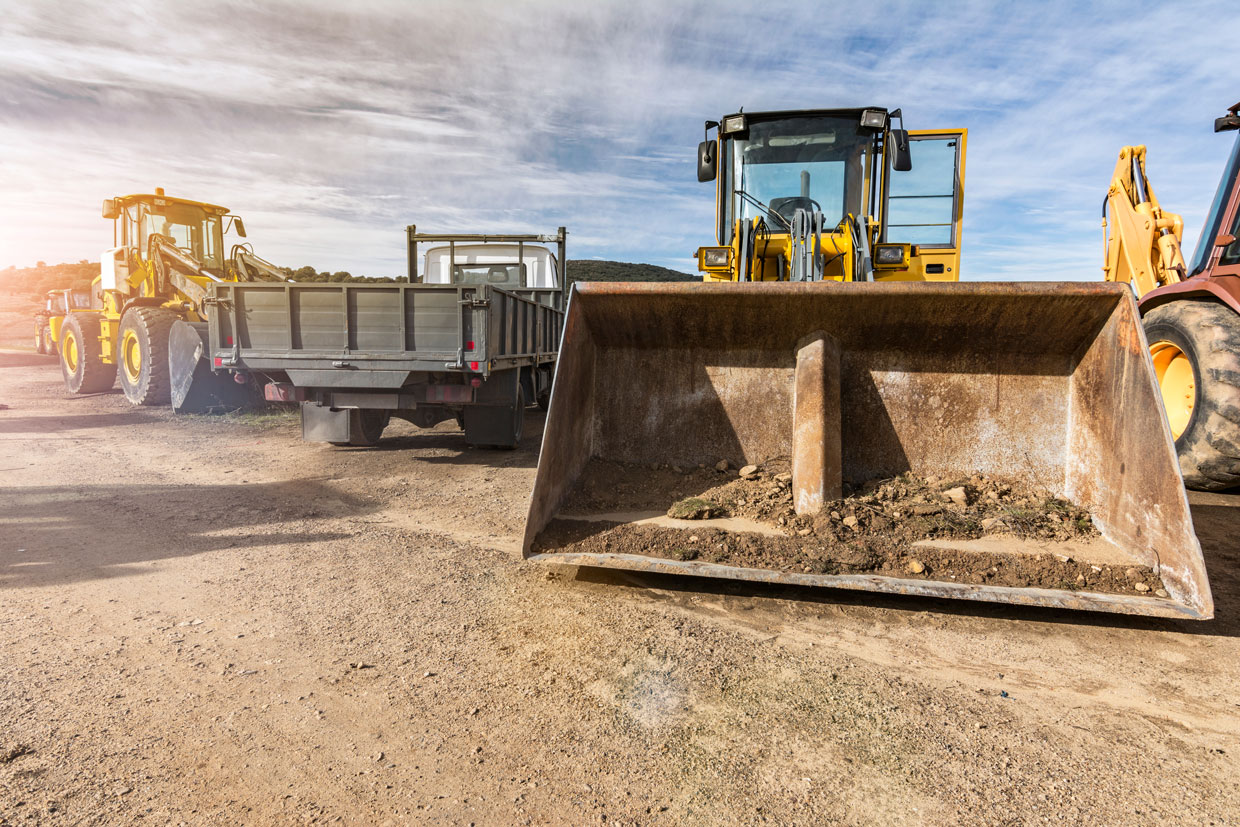
At Plateau Excavation, safety doesn’t stop when we leave the jobsite. Whether you’re behind the wheel of a company truck, operating heavy equipment, or moving through an active jobsite, staying focused is one of the most important things you can do to protect yourself and those around you.
Distracted driving is more than texting behind the wheel. According to OSHA, distractions generally fall into three categories: visual, manual, and cognitive. Looking at a phone or GPS takes your eyes away from your surroundings. Reaching for an object, eating, or adjusting controls can take your hands away from operating the vehicle. Even a conversation, phone call, or thinking about something other than the task at hand can take your mind away from driving.
Thousands of people are killed and hundreds of thousands more are seriously injured in distracted driving crashes each year. Driver distractions account for nearly 5,500 deaths, which is 16% of the total annual traffic related fatalities and 500,000 injuries.
The Risk Is Even Greater Around Heavy Equipment
On a construction site, conditions can change in seconds. Operators may be working around trucks, excavators, dozers, loaders, and other moving equipment—all within a relatively small area.
A moment of distraction can mean missing a hand signal, overlooking someone entering a blind spot, failing to notice another piece of equipment moving nearby, or reacting too late to changing ground conditions.
OSHA notes that workers in construction work zones face serious risks from both construction equipment and other vehicles. That makes awareness and communication especially important anywhere equipment and people are working in close proximity.
Our Company Vehicles Require the Same Focus
Our employees spend time traveling between jobsites, offices, meetings, and other locations. Familiar roads and routine drives can sometimes create a false sense of security, but every trip deserves your full attention.
Checking a text, answering an email, entering an address into GPS, reaching for something in the passenger seat, eating, or making a phone call can all reduce the attention available for driving. OSHA recommends that drivers avoid cell phone use while driving and move to a safe location before making a necessary call or sending a message.
NIOSH also emphasizes that hands-free technology does not eliminate distraction. Even when both hands remain on the wheel, a phone conversation can create a cognitive distraction that takes attention away from driving.
A Few Seconds Can Have Serious Consequences
Heavy equipment and company vehicles carry significant weight and momentum. They cannot always stop, turn, or react as quickly as we might expect.
Distracted operation can lead to:
- Vehicle or equipment collisions
- Struck-by incidents involving employees or pedestrians
- Property and equipment damage
- Missed signals or warnings
- Rollovers or loss of equipment control
- Serious injuries or fatalities
That is why staying alert isn’t just about protecting yourself. Your attention protects everyone working around you.
How to Eliminate the Distraction
Set your GPS and review your route before driving. Put your phone away. Secure loose items. Adjust mirrors, seats, and controls before putting the vehicle or equipment in motion. On the jobsite, maintain communication with spotters and surrounding crews and continuously check mirrors and blind spots.
Tips to eliminate the distraction:
- Fully focus on driving. Do not let anything divert your attention, actively scan the road, use your mirrors and watch out for pedestrians and cyclists.
- Store loose gear, possessions and other distractions that could roll around in the car so you do not feel tempted to reach for them on the floor or the seat.
- Make adjustments before you get underway. This includes adjusting your seat, mirrors and climate controls before hitting the road. Also, decide on your route and check traffic conditions ahead of time.
- Finish getting ready at home – instead of once you get on the road.
- Eat meals or snacks before or after your trip, not while driving. On the road, avoid messy foods that can be difficult to manage.
- Put aside your cell phone. Never text, read email, play video games or scroll the internet or social media while driving.
- If you have passengers, let them be your co-pilot so you can focus safely on driving.
- If another activity demands your attention, instead of trying to attempt it while driving, pull off the road and stop your vehicle in a safe place. To avoid temptation, turn your phone off or store it somewhere you cannot reach it before heading out.
- As a general rule, if you cannot devote your full attention to driving because of some other activity, it’s a distraction. Take care of it before or after your trip, not while behind the wheel.
Safety Requires Your Full Attention
At Plateau, we talk about safety because the decisions we make every day affect more than ourselves. They affect our coworkers, our families, our customers, and the communities where we work.
Whether you are operating heavy equipment or driving a company pickup down the highway, the responsibility is the same.